Design
and building permit with an online architect
Collaborative and interactive co-design remotely






Collaborative co-design: when digital tools replace the physical drafting table.
In the collective imagination, architectural design traditionally takes place around a large drafting table, leaning over sheets of tracing paper. Today, the evolution of practices and digital tools makes it possible to reinvent this working relationship through collaborative remote co-design, offering a level of interactivity that often surpasses traditional methods.
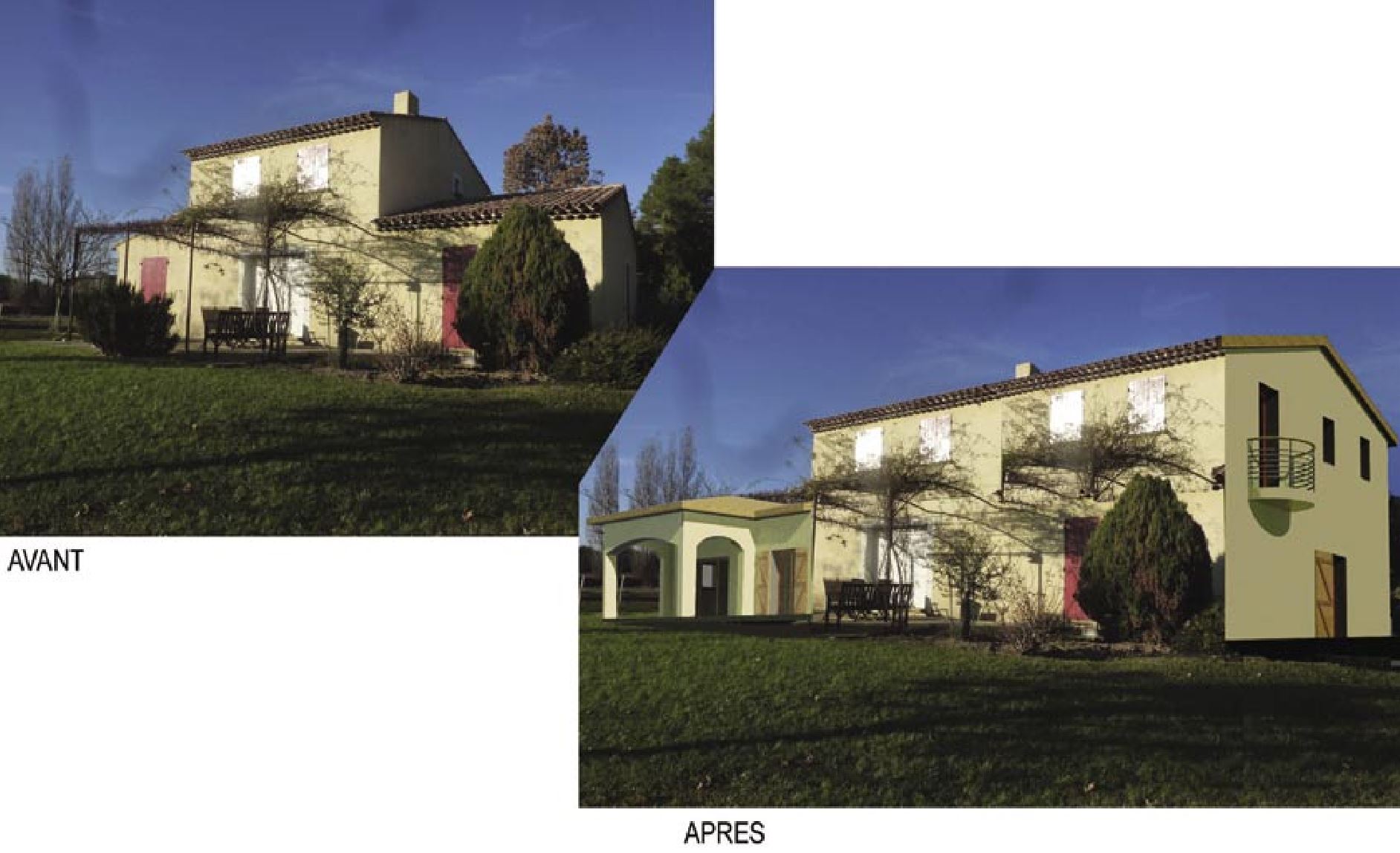
Live screen sharing: drawing and modifying plans together, in real time.
One of the main advantages of working remotely lies in the fluidity of visual sharing tools. During a video conference, the architect and the project owner can simultaneously examine the plans, test layout variants, modify a partition wall, or adjust volumes live. This immediate responsiveness transforms the exchange: the client does not merely listen, they instantly visualize the impact of their choices on their project.
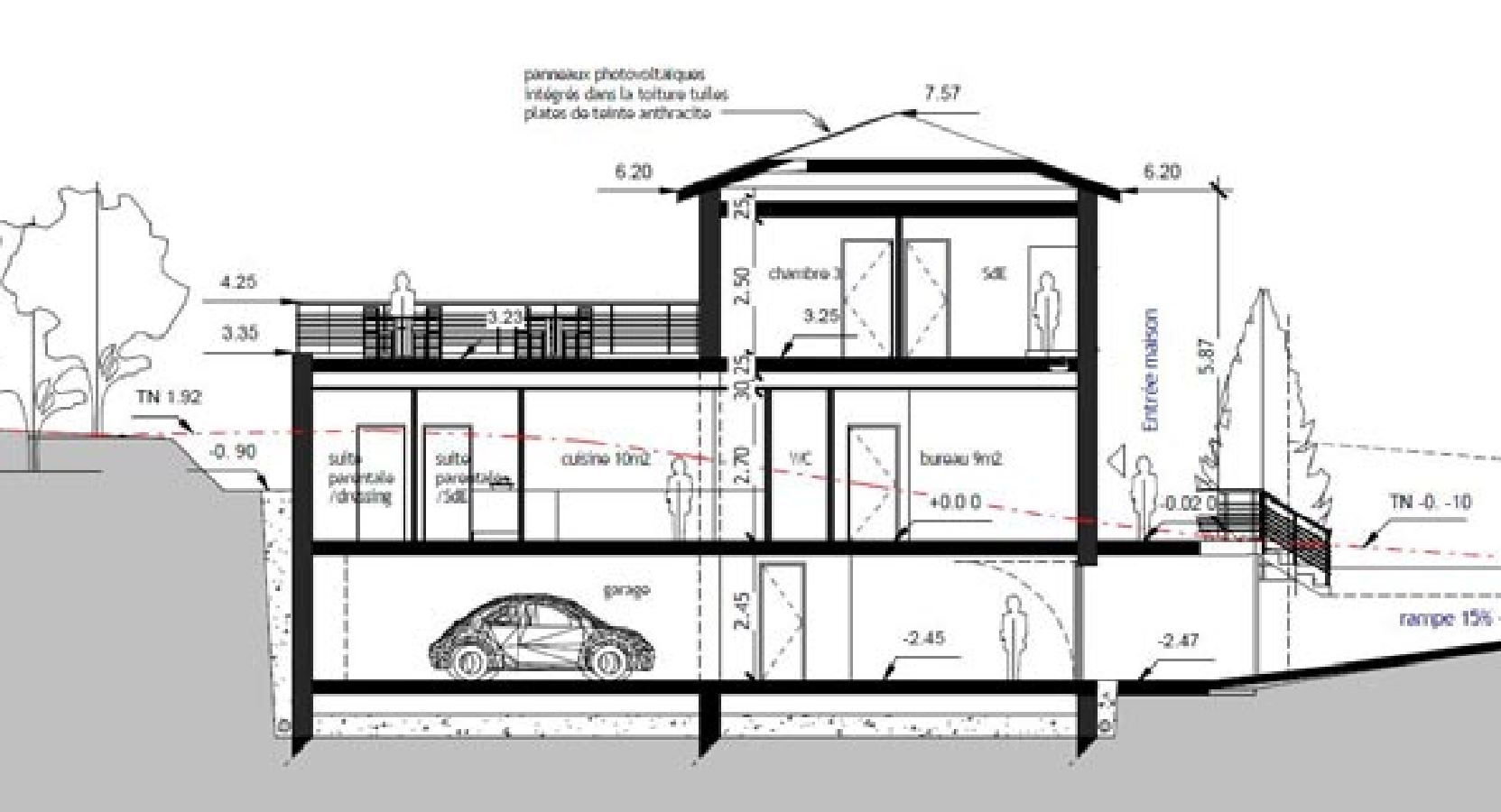
Shared 3D modeling: better understanding the volumes and orientation of your future home.
Two-dimensional plans sometimes require an effort of abstraction for the uninitiated. Thanks to digital modeling and remotely controllable 3D visualization tools, project owners can virtually immerse themselves in the spaces, understand natural light exposure according to the plot's orientation, or appreciate ceiling height proportions. This visual clarity secures decision-making even before the application is submitted.
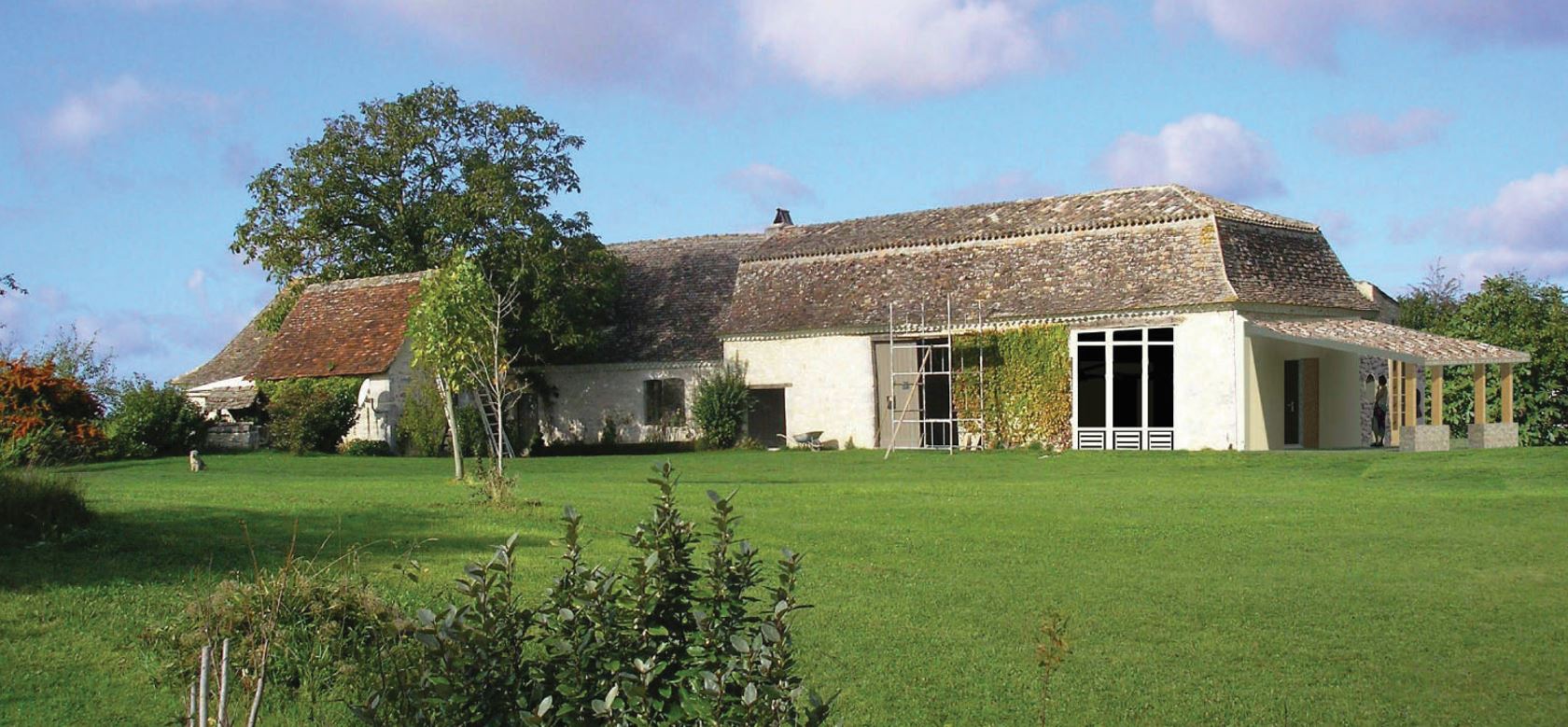
Centralized communication: archiving exchanges and plan versions for transparent tracking.
Working digitally also offers a major logistical asset: the traceability of exchanges. Unlike physical meetings whose minutes sometimes prove imprecise, online platforms and secure sharing spaces centralize validated plan versions, notes, and modification histories. Every decision is recorded and accessible by both parties at any time, ensuring rigorous follow-up without misunderstandings.
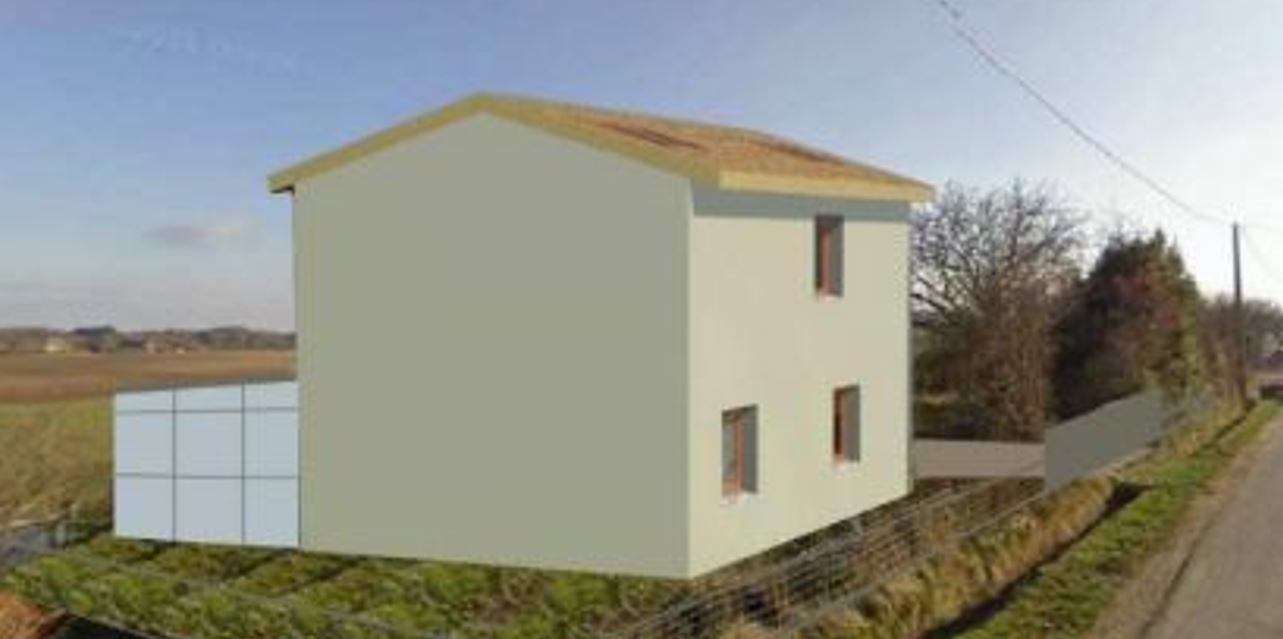
The pace of online meetings: shorter, more targeted, and more regular sessions.
The constraints of traveling to an architectural office often impose long appointments spaced far apart in time. Conversely, online organization encourages shorter, more frequent, and more targeted progress reviews, scheduled around the client's available times. This agile pace makes it possible to validate design choices step by step, without overloading anyone's calendar and while maintaining constant momentum on the project.
Active collaboration: the project owner as a key player in designing their home.
Ultimately, collaborative remote co-design places the project owner back at the heart of the creative and technical process. Far from being isolated behind a screen, the architect and client form a true working partnership, where digital technology serves as a seamless bridge between expressing needs and architectural reality.
If you wish to work online, our agency supports you as an online and remote architect.
To carry out your project according to this connected method, our agency accompanies you at every step.