Remote Architect:
technology at the service of your project
Video conference meetings, plan sharing, and digital modeling






With technology, what does "online" or "remote" mean in architecture?
Speaking of an online or remote architect might sometimes evoke a cold exchange, limited to a few impersonal emails. In reality, modern digital tools have profoundly transformed the way we collaborate with project owners. Far from distancing the architect from their client, technology today makes it possible to recreate a genuine shared workspace that is precise and responsive, while meeting modern administrative requirements.
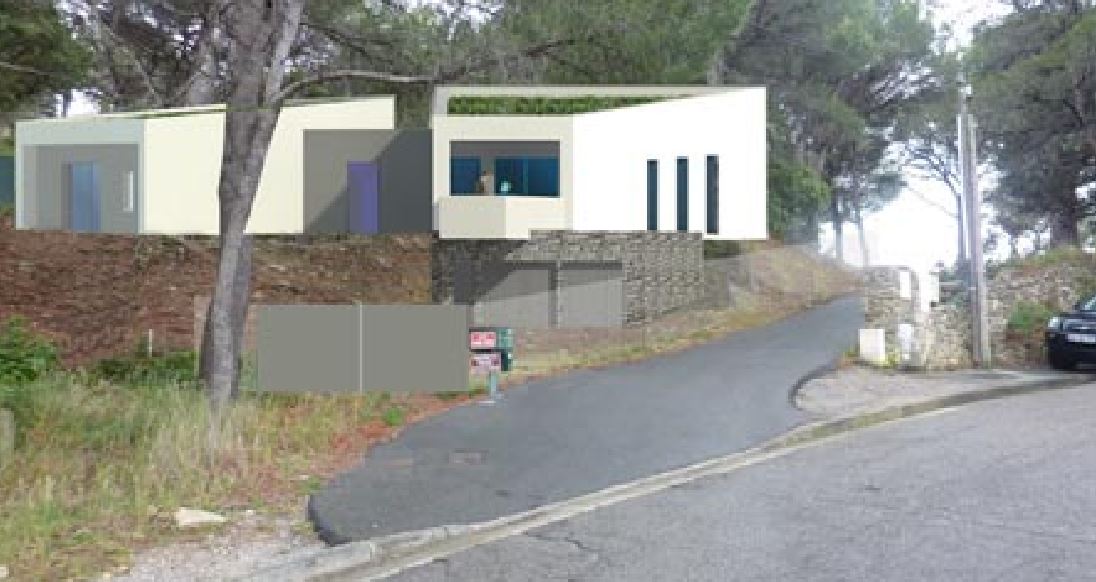
Screen sharing in video conferencing: as if you were sitting in our office, without traveling.
Thanks to video conferencing tools such as Zoom or Teams, physical distance disappears as soon as the meeting begins. Screen sharing allows us to present floor plans, sections, elevations, and 3D models in real time, exactly as if you were sitting across from us around a meeting table. You see our cursor point to a construction detail, we zoom together into a room or a facade, and dialogue flows just as naturally as it would in an office.
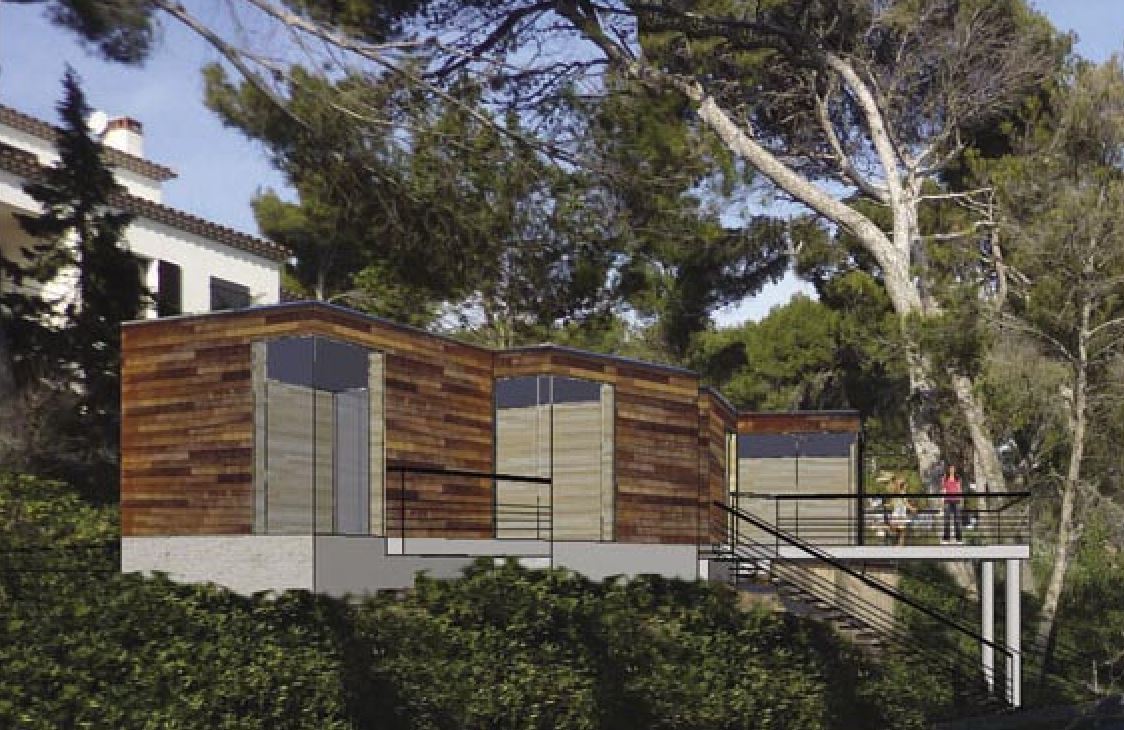
Working on plans live: technology at the service of dialogue and responsiveness.
One of the major assets of online work lies in immediate interactivity. During a video conference appointment, it is possible to adjust a partition wall, test the placement of an opening, or compare two layout variants directly before your eyes. This responsiveness avoids unnecessary back-and-forth: you instantly understand the spatial impact of each choice and validate the project's directions with full knowledge of the facts.
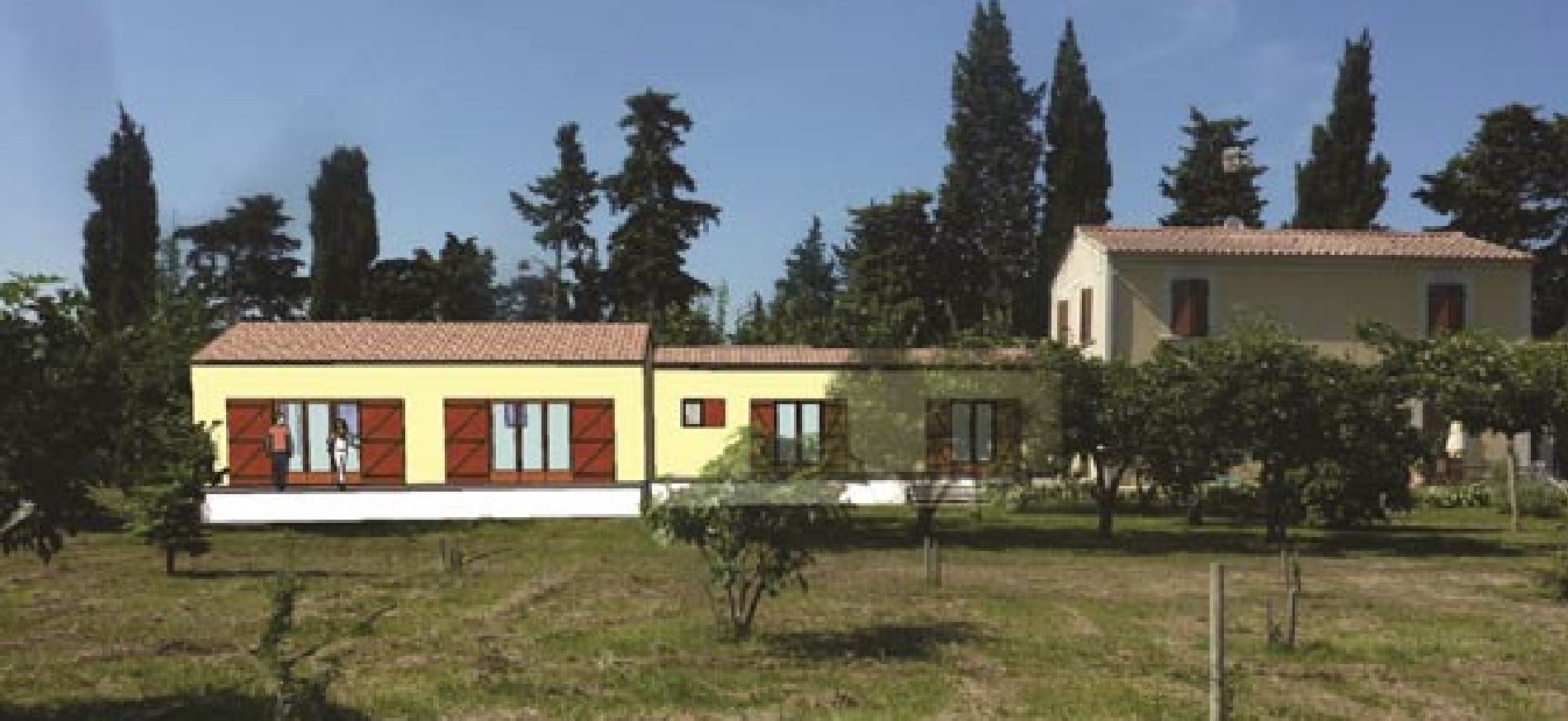
Availability and flexibility: from home, at any time, to analyze and modify the sketch.
This digital organization offers valuable flexibility within often busy schedules. From your home, comfortably settled in the evening or between professional obligations, you can exchange views with your architect, ask your questions, and evolve the sketch without having to block off half a day to travel. Everyone has the same documents on screen, making discussions more focused, more relaxed, and particularly efficient.
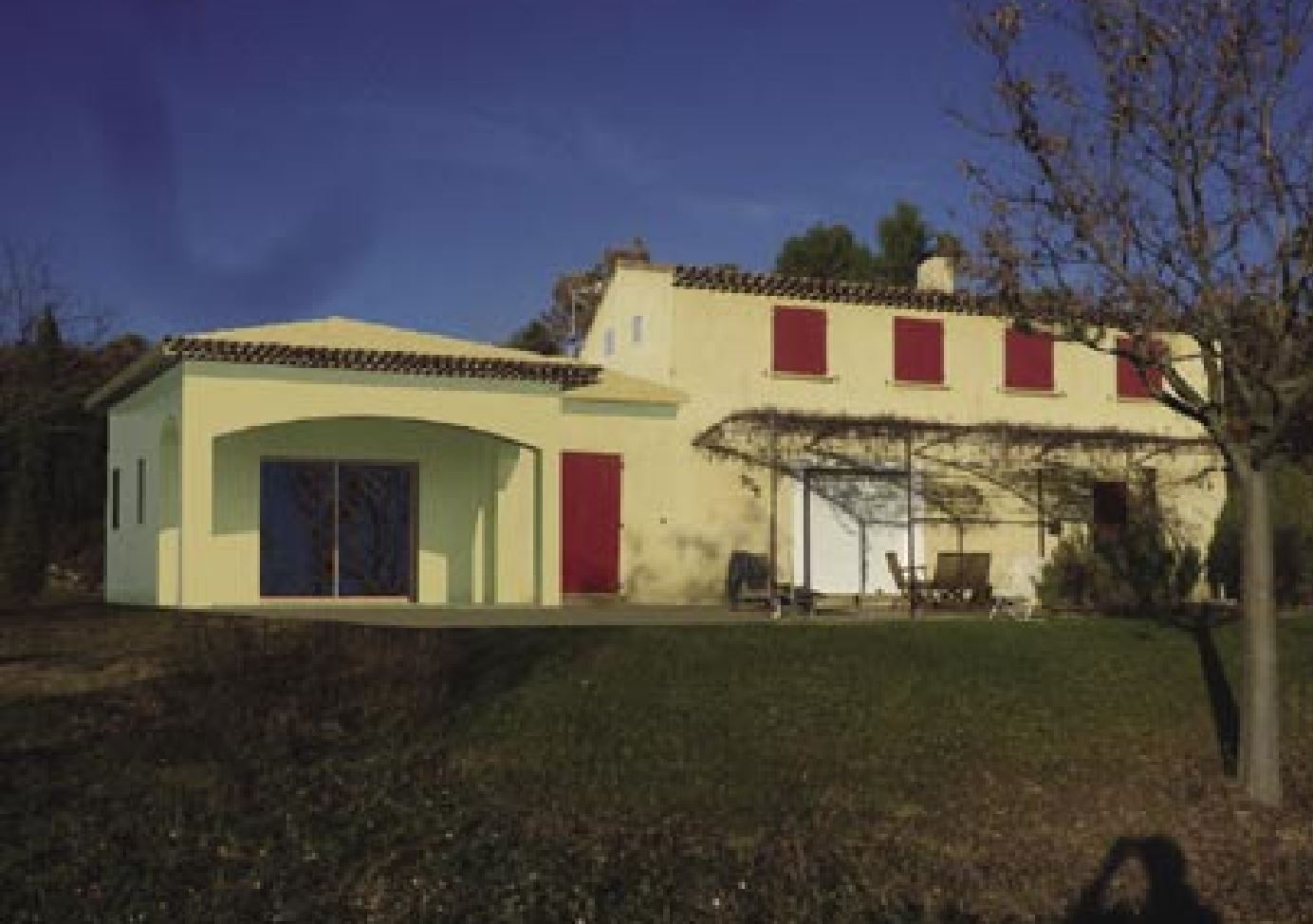
Smartphones and messaging: instantly exchanging photos, site videos, and inspirations.
The mobile phone has become a true technical liaison tool between the site and the office. In just a few seconds, you can send us precise photos of existing conditions, film a guided tour of your land or house, or send us references of moods and materials you like. These visual elements significantly enrich our analysis and make it very easy to clear up any technical doubts.
The dematerialization required by the administration: when file processing and email exchanges with urban planning departments naturally shape a remote working mode, while saving paper.
Remote work is part of a global evolution driven by the administration itself. Today, many urban planning departments no longer receive the public physically without an appointment, or direct most inquiries toward electronic forms and email exchanges, with responses provided within a few days. This administrative organization, where file review and consultations are handled entirely electronically, has naturally fostered remote communication. This dematerialized operation makes collaboration with an online architect perfectly seamless, from the initial exchange through to application tracking, while achieving considerable paper savings.
If you wish to work online, our agency supports you as an online and remote architect.
To carry out your project according to this connected method, our agency accompanies you at every step.